Blog

  • GHK-Cu Copper Peptides: What the Research Actually Shows

    GHK-Cu Copper Peptides: What the Research Actually Shows

    GHK-Cu (glycyl-histidyl-lysine bound to copper) is a naturally occurring copper peptide found in human plasma that declines steadily with age — which is part of why it’s become one of the more heavily researched actives in modern skincare.

    At a cellular level, GHK-Cu is best known for signaling fibroblasts to produce more collagen and elastin, while also helping skin look firmer, smoother and more resilient. It’s this dual role — structural support plus a smoother, more resilient look — that sets copper peptides apart from actives that only address one side of the aging process.

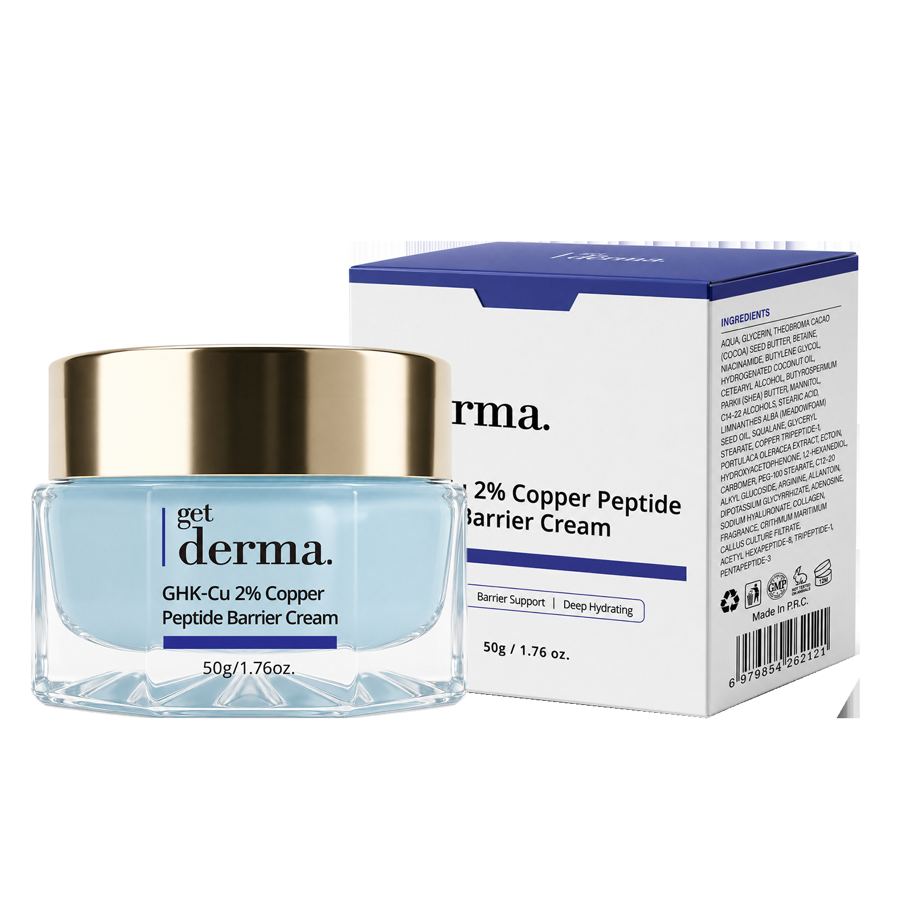
    Because GHK-Cu is water-soluble and relatively gentle, it’s also a common choice for people who can’t tolerate stronger actives like retinoids. That’s why you’ll find it formulated across a wide range of textures in our line — from lightweight ampoules to richer barrier creams — depending on what a given routine needs.

    As with any active, consistency matters more than concentration. Visible changes in firmness and texture from copper peptides typically build over several weeks of regular use, not overnight.

  • PDRN: What This Salmon-Derived Skincare Ingredient Actually Does

    PDRN: What This Salmon-Derived Skincare Ingredient Actually Does

    PDRN (polydeoxyribonucleotide) is a DNA fragment derived from salmon sperm DNA. It’s an unusual origin story, but it has become a popular ingredient in modern skincare formulations.

    What makes PDRN interesting is how it shows up in skincare: it’s loved for helping skin feel hydrated and look plumper, smoother and more radiant. It’s also a common pairing with soothing, moisture-focused formulations.

    In practice, PDRN tends to show up most often in serums, ampoules, and sheet masks aimed at dullness, uneven-looking texture, and early signs of aging, helping skin look fresher and more luminous.

    Like most skincare actives, PDRN rewards patience. It’s not an overnight-brightening ingredient. With consistent use, it helps skin look healthier, more hydrated and glowing over time.

  • Bakuchiol vs. Retinol: Is the “Gentler Alternative” Actually Comparable?

    Bakuchiol vs. Retinol: Is the “Gentler Alternative” Actually Comparable?

    Bakuchiol is a plant-derived compound extracted from the seeds of the Psoralea corylifolia plant, and it’s become popular as a gentler alternative to retinol — but “alternative” doesn’t mean identical, and it’s worth understanding the actual difference.

    Retinol works by binding to specific skin receptors to accelerate cell turnover, which is highly effective but can come with irritation, dryness, and sun sensitivity, especially early in use. Bakuchiol appears to influence some of the same gene expression pathways without the same irritation profile, which is why it’s often recommended for sensitive skin or as a daytime-compatible option.

    The research comparing the two is still developing, but current studies suggest bakuchiol can deliver meaningfully similar improvements in fine lines and firmness over time, with a notably better tolerability profile for most skin types.

    For people who’ve had to avoid retinol entirely due to sensitivity, bakuchiol is a legitimate option worth trying — not a lesser substitute, but a different tool for a similar job.

  • What Does Oxidative Stress Do to Your Skin?

    What Does Oxidative Stress Do to Your Skin?

    Oxidative stress occurs when your skin is exposed to more free radicals than its natural antioxidant defenses can neutralize.